hawaii · · 8 min read
Planning a Trip to Hawaii: A Step-by-Step Family Guide (2026)
Hawaii planning isn't hard. It's just loud. Here's the order I'd plan your trip in if you were sitting across from me, including the reservations most people find out about too late.
You've got 14 tabs open. Two islands you can't choose between. A group chat full of opinions and a resort list that keeps growing instead of shrinking.
After becoming a Certified Hawaii Destination Specialist and traveling to the islands more myself, I've figured out what actually matters and what's just noise.
Hawaii planning isn't hard. It's loud. Every blog says something different, every list has ten "must-dos," and somewhere in there you stopped planning a vacation and started managing a research project.
So here's the whole thing, in the order I'd actually plan it if you were sitting across from me. Steal it.

Step 1: Pick one island
One. Not two. Not "we'll do three days here and four days there."
Island hopping sounds efficient. What it actually means is packing twice, two airport days, two rental cars, two check-ins, and losing most of a day in the middle of your trip to logistics. Unless you have ten or more nights, the second island costs more than it gives you.
Here's how I'd choose, with the tradeoff attached to each one:
Oahu has the most to do. Pearl Harbor, the North Shore, restaurants, amazing food trucks, Waikiki energy, Aulani if you've got Disney-age kids. The tradeoff: it's the busiest island. Traffic is real, Waikiki is dense, and if you're picturing a quiet beach with nobody on it, this isn't where you'll find it.
Maui is the resort island. Wailea and Kaanapali have the strongest stretch of family friendly resort beach in the state, and the pace is slower than Oahu without being sleepy. The tradeoff: it's the most expensive island for what you get, and dinner reservations at the good spots need to happen weeks ahead, not the day of.
Kauai is the beautiful one. Lush, green, dramatic, the island you picture when someone says Hawaii. The tradeoff: it's the rainiest, the north and south shores are an hour apart, and if your group needs constant activity, you'll run out of built entertainment fast. Kauai rewards people who like to be still.
Big Island is for the family that wants an adventure trip with a resort attached. The volcano, manta ray night snorkels, black sand beaches. The tradeoff: it's huge. The good resorts sit on the Kona side and the volcano sits two-plus hours away, so "we'll just pop over" isn't a thing.
First trip and can't decide? Oahu if you want to do things. Maui if you want to be somewhere. Check out my blog Which Hawaiian Island Should You Visit for a deeper dive.
Step 2: Pick your dates before you fall in love with anything
Dates decide your price more than the resort does.
Mid-April through early June and September through mid-December are the calm windows. Fewer people, softer pricing, same weather. Christmas through New Year's, spring break, and mid-summer are when Hawaii charges you for the privilege of everyone else's school calendar.
Two seasonal things worth knowing. Winter brings whales to Maui, which is genuinely special, and giant surf to Oahu's North Shore, which is fun to watch and not swimmable for kids. Summer brings the calmest ocean everywhere. Neither season is wrong. They're just different trips.
If your dates are locked by school schedules, that's fine. It just means the resort decision matters more, because peak weeks are when the mediocre properties feel most mediocre.
Check out: When is the best time to visit Hawaii
Step 3: Book in this order, and it's not the order you think
The advice everyone repeats: grab the cheap flight first, build the trip around it.
That's how you end up at your third choice resort with an 11pm arrival and two kids who stopped being people somewhere over the Pacific. The flight is the least flexible part of the trip. Letting it drive everything means the cheapest piece controls the most important ones.
The order that actually works:
Resort first. The right property in the right location is the trip. This is where availability disappears earliest, especially connecting rooms and suites during school breaks. Six to nine months out for peak dates isn't early. It's on time.
Flights second. Two to four months out for most mainland routes, earlier for holidays. Pick the arrival time that gets you to the resort before dinner, even if it costs a little more.
Rental car third. Book it when you book flights. Free-cancellation rates mean there's no reason to wait, and cars genuinely run out on Kauai and the Big Island during busy weeks. We use Turo if its a quick 1-2 day rental mid trip.
Reservations and dinners last. But last doesn't mean casual. Keep reading.

Step 4: The reservation list nobody warns you about
This is the part that surprises people most. Hawaii's most famous experiences now run on timed reservations, and the popular ones sell out in minutes, not days.
As of mid-2026, here's what needs a plan:
Haleakala sunrise (Maui): every vehicle needs a reservation for the 3am to 7am window. They release 60 days ahead at 7am Hawaii time on recreation.gov, with a smaller batch released 48 hours out. Summer dates go in minutes. The tradeoff nobody mentions: sunset at the summit needs no reservation at all, the crowd is a third the size, and the view is nearly identical. If the booking gods say no, sunset is not a consolation prize.
USS Arizona Memorial (Oahu): Timed tickets open 56 days ahead and go fast. A small next-day batch releases at 3pm daily if you missed the window.
Hanauma Bay (Oahu): non-residents book exactly 48 hours ahead, and it's closed Mondays and Tuesdays. Best snorkeling on Oahu, most annoying booking system in the state. Both things are true.
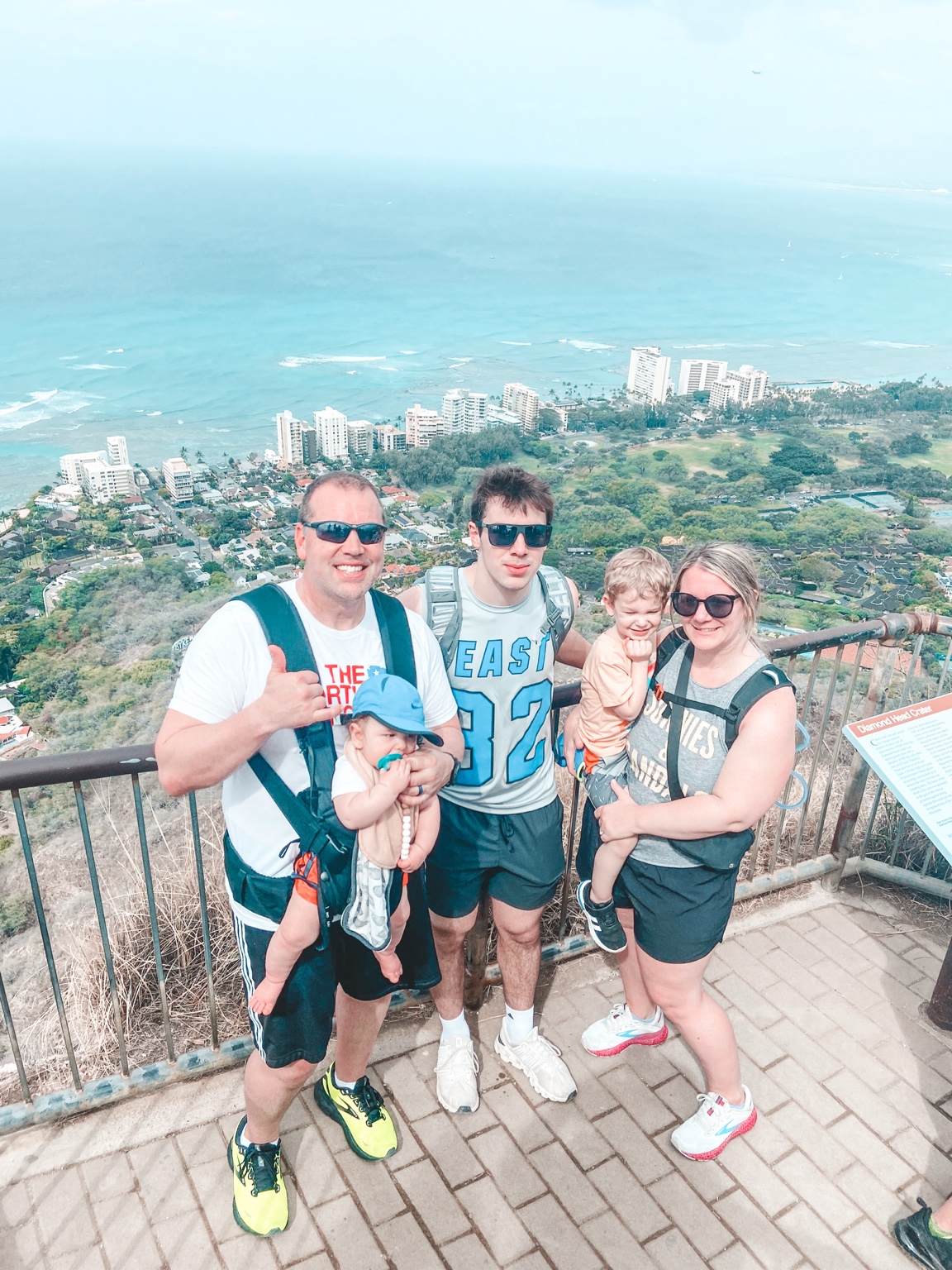
Diamond Head (Oahu): non-residents reserve 30 days out. Sunrise slots go first.
Waianapanapa and Iao Valley on Maui and Haena State Park on Kauai also require advance reservations now. If a famous spot is on your list, assume it needs a ticket until proven otherwise.
Create your recreation.gov and state parks accounts before booking day, save your payment info, and set an alarm. That sentence sounds ridiculous for a vacation. It's also the difference between getting the thing and reading about it.
One more note: these systems change. Windows shift, fees change, new sites get added. Check the current rules about 70 days before your trip so nothing has moved on you.
Step 5: The rental car question, by island
Maui, Kauai, Big Island: yes, you need one, the whole time. There's no version of these islands that works without wheels.
Oahu: the one exception. If you're staying in Waikiki and your plans are Waikiki, Pearl Harbor, and a couple of tours, you can skip the car and rent one for a single North Shore day. Hotel parking in Waikiki runs $40 to $60 a night, so a car you're not using is an expensive lawn ornament.
The tradeoff of skipping it: spontaneity. No car means no "let's just drive up the coast and see." If your family travels on impulse, keep the car and eat the parking fee.
Step 6: Plan half of what you're planning
Here's the pattern I watch on repeat. Someone builds the perfect itinerary. Excursion every day, dinner locked every night, the spreadsheet is a work of art. By day three the kids are melting, the adults are tired, and everyone's renegotiating the schedule at breakfast.
You flew ten hours to relax and then scheduled yourself out of it.
The version that works: one or two big experiences for the whole week. Book those properly, with the reservations handled and the timing right. Put your must-do early in the trip, because boats cancel for weather and an early booking gives you room to rebook. Then leave whole days empty.
Not empty as in wasted. Empty as in your kids don't want to leave the pool and nobody has to check a watch. That's the day everyone remembers.
The best Hawaii trips look under planned on paper. That's not a flaw in the plan. That's the plan.
Step 7: The budget conversation nobody puts in writing
Real numbers, because vague ones help no one.
A week in Hawaii for a family of four at a genuinely good resort typically lands between $10K and $20K ALL IN, and peak weeks push higher. Mid-range hotels run $350 to $500 a night, the resorts you're actually picturing start around $800 and climb, and food is expensive everywhere because most of it arrives by ship. Want to save on food? Eat local and try the food trucks! Budget roughly $100 to $150 per person per day for meals if you're mixing restaurants with casual stops.
Can you do Hawaii for less? Sure. Condos, shoulder season, cooking half your meals. That's a real trip and a good one. But if you've been anchoring to a "$5K Hawaii family vacation" you saw somewhere, that number was fantasy math, and finding out mid-planning beats finding out mid-trip.
The spend isn't the problem. The mismatch is. A $15K trip at the wrong resort feels worse than a $10K trip at the right one.
What you can skip
Two-island itineraries under ten nights. Luaus on your first night, when jet lag will win. Booking every dinner before you land. The excursion your group chat insists on but nobody in your actual family wants. And any resort that photographs better than it reviews.
Where this usually breaks down
Everything above is doable on your own. Plenty of people do it, and this guide will get you most of the way there.
Where it falls apart is the judgment calls. Which of the four Wailea resorts actually fits a family with a four-year-old. Whether the ocean view room is worth $200 more a night at this specific property or just at properties generally. Whether that gorgeous boutique place runs as well as it photographs.
That's the part I do. Not the searching. The filtering.
If you'd rather have this handled than researched, start with my inquiry form at here. Tell me who's going and what you want it to feel like. I'll come back with the one recommendation that fits, not five options to compare.
You don't need another tab open. You need it handled.